If you live in Northwest Arkansas or the River Valley, you already know how quickly a spring storm can turn into a hailstorm. One afternoon of hail can crack shingles, knock off protective granules, and leave you dealing with leaks, inspections, and insurance claims for months.
That is why more homeowners are asking about Class 4 impact resistant shingles. You may have heard a neighbor mention them, or your insurance agent may have brought them up. But what does Class 4 actually mean, how is it different from a regular shingle, and is the upgrade worth the extra cost?
At David's Roofing, we have been answering those questions for homeowners across Arkansas since 1997. In this guide, we will explain how Class 4 shingles are tested, walk through the CertainTeed impact resistant options available today, and help you decide whether a Class 4 roof makes sense for your home.
What Does Class 4 Mean?
Class 4 is the highest impact resistance rating a roofing product can earn under UL 2218, the national standard for testing how well roofing materials stand up to hail. UL 2218 rates products from Class 1 to Class 4, with Class 4 being the toughest.
How the UL 2218 Test Works
The test is simple to picture. Steel balls of increasing size are dropped onto a roofing sample to simulate the force of falling hail. Each size is dropped twice on the same spot.
To earn a Class 4 rating, the shingle must take two hits from a 2 inch steel ball dropped from 20 feet without cracking or splitting, on the top surface or the back. A standard shingle hit with that kind of force will often fracture. A Class 4 shingle is built to hold together.
What Makes a Shingle Impact Resistant?
Manufacturers use two main approaches to reach Class 4:
Reinforced backing. Some shingles add a durable reinforcement layer, often a fabric or fiberglass scrim, to the underside of the shingle. This helps the shingle resist cracking when hit.
Polymer modified asphalt. Other shingles blend rubber like polymers, often called SBS modified asphalt, into the shingle itself. This makes the shingle more flexible, so it absorbs impact instead of shattering.
CertainTeed uses both approaches across its impact resistant lineup, which gives homeowners a range of styles and price points to choose from.
NorthGate ClimateFlex
NorthGate is CertainTeed's SBS modified shingle, made with polymers that give it rubber like flexibility. CertainTeed says the formula improves weatherability and granule adhesion and helps the shingle resist cracking in temperatures as low as 0°F. In short, it bends instead of breaking. For homeowners who want maximum hail protection in a classic architectural look, NorthGate is often the top pick.
Landmark ClimateFlex
Landmark is one of CertainTeed's most popular architectural shingle lines. Landmark ClimateFlex brings the same SBS modified, flexible technology to the familiar Landmark look, giving homeowners a Class 4 option with the style many Arkansas neighborhoods already have.
Landmark IR
Landmark IR is the impact resistant version of the standard Landmark shingle. Instead of a polymer modified formula, it uses a reinforcement added to the underside of the shingle to reach a Class 4 rating. It is a strong choice for homeowners who want Class 4 protection with the trusted Landmark appearance.
Belmont IR and Carriage House
For homeowners who want a more upscale, designer look, CertainTeed also offers Class 4 options in its luxury lines. Belmont IR is designed to capture the depth and texture of natural slate. Carriage House features a scalloped cut that creates a hand crafted, old world appearance. Both carry a Class 4 impact rating along with heavier, multi layer construction.
Don't Forget the Accessories
A Class 4 roof is more than the field shingles. CertainTeed offers impact resistant hip and ridge caps that match its Class 4 shingles. Using matching manufacturer accessories also matters for warranty coverage and higher wind ratings.
The Benefits of a Class 4 Roof
Better Protection From Hail Damage
The biggest benefit is simple: Class 4 shingles are built to take harder hits. When hail strikes a standard shingle, it can crack the mat, bruise the shingle, or knock off granules that protect the asphalt from the sun. Those weak spots may not leak right away, but they can shorten the life of your roof and lead to problems later. A Class 4 shingle is designed to resist that kind of damage.
Possible Insurance Savings
Many insurance companies offer premium discounts for homes with a UL 2218 Class 4 roof, because those roofs tend to produce fewer hail claims. Several carriers that write policies in Arkansas offer this type of discount.
The amount varies widely by insurance company, policy, and location. Some homeowners see a meaningful reduction, while others see little or none. Before you decide, call your insurance agent and ask:
Do you offer a discount for a Class 4 impact resistant roof?
How much would it lower my premium?
What documentation do you need from my roofer?
Over the life of a roof, even a modest yearly discount can help offset the higher upfront cost.
Fewer Repairs and Less Hassle
Every hail claim means inspections, adjuster visits, paperwork, a deductible, and sometimes a full roof replacement. Many Arkansas policies carry a separate wind and hail deductible, often a percentage of your home's insured value, which can mean thousands of dollars out of pocket. A tougher roof can help you avoid some of those claims altogether.
Added Value When You Sell
A newer roof with a Class 4 rating can be an appealing selling point, especially in a hail prone area. Buyers and their insurance companies notice roofs that are built for severe weather.
What Class 4 Does Not Mean
Class 4 shingles are a real upgrade, but it is important to have realistic expectations.
Impact resistant is not hail proof. Very large hail, especially stones bigger than 2 inches or hail driven by strong winds, can still damage a Class 4 roof. The rating means the shingle resists cracking far better than a standard shingle, not that it can never be damaged.
Cosmetic damage can still happen. Hail may still leave dents or knock loose some granules without cracking the shingle. Some insurance policies limit coverage for cosmetic damage on impact resistant roofs, so read your policy carefully.
The upfront cost is higher. Class 4 shingles typically cost more than standard architectural shingles. The exact difference depends on the product you choose, the size and pitch of your roof, and current material prices.
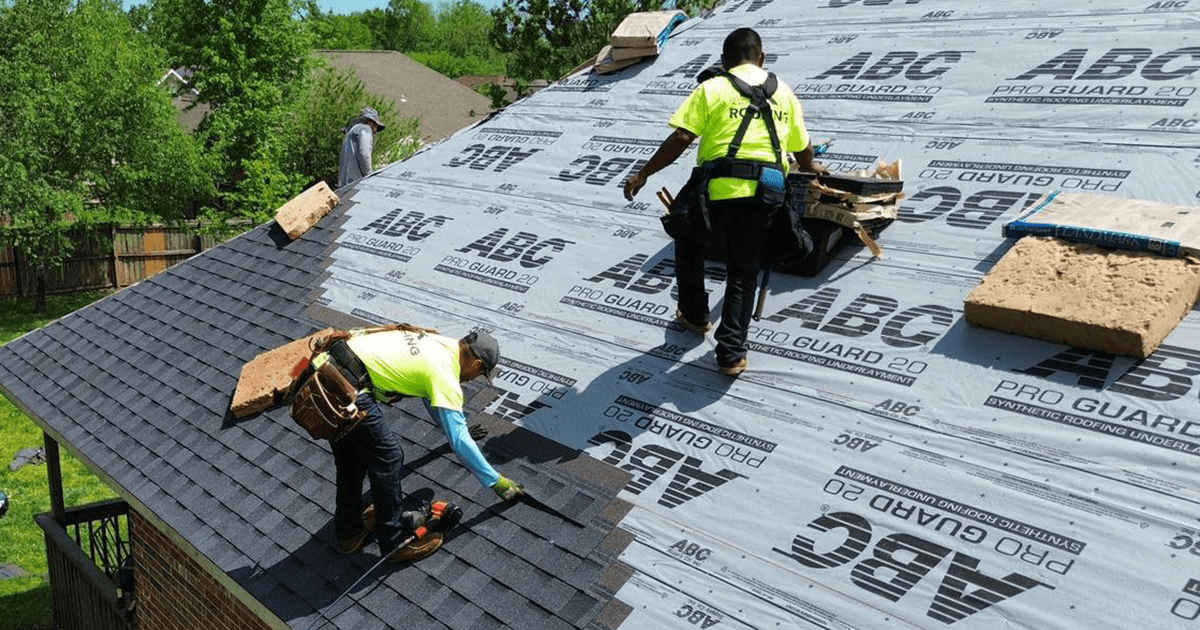
Installation still matters. A Class 4 shingle installed poorly will not perform the way it should. Correct nailing, quality underlayment, and proper flashing are just as important as the shingle rating.
Is a Class 4 Roof Worth It? When It Makes Sense
For many homeowners in Northwest Arkansas and the River Valley, the answer is yes. Here are the situations where a Class 4 roof usually makes the most sense:
You have had hail damage before. If your home has needed a roof claim in the past, there is a good chance it will face hail again.
Your insurance company offers a discount. A yearly premium reduction can help recover part of the upgrade cost over time.
You plan to stay in your home for many years. The longer you live there, the more storms your roof will face and the more value you get from extra protection.
You want to avoid repeat claims. Filing multiple claims can affect your premiums and, in some cases, your ability to renew coverage. A tougher roof can help you avoid that cycle.
You are already replacing your roof. The best time to upgrade is when the old roof is coming off anyway. The added cost is only the difference in materials, not a whole new project.
When It May Not Be the Best Fit
A Class 4 roof may be less of a priority if you plan to sell your home soon, your insurance company offers no discount, or your budget is tight and a quality standard architectural shingle covers your needs. In those cases, a well installed standard roof with a strong warranty can still be a smart choice.
Class 4 Shingles vs. Metal Roofing
Some homeowners also consider metal roofing for hail protection. Many metal roofing systems carry a Class 4 rating and can last for decades, but they typically cost more upfront and can still dent in a hailstorm. Class 4 shingles offer a strong middle ground: better protection than standard shingles with the familiar look and lower cost of asphalt.
Why Choose David's Roofing for Your Class 4 Roof
A Class 4 shingle is only as good as the installation behind it. David's Roofing is a family run company that started as a father and son team in 1997. Today we serve homeowners across Northwest Arkansas and the River Valley from our Farmington headquarters and our Fort Smith office.
David's Roofing is Northwest Arkansas's only CertainTeed ShingleMaster Premier contractor. That allows us to register CertainTeed SureStart PLUS 5-STAR warranties, which include (with additional cost associated):
50 years of non-prorated coverage
Labor, tear off, and disposal included
30 year workmanship coverage, backed by CertainTeed
Transferable coverage if you sell your home
We also offer storm damage support and help with insurance claims, so you are not navigating the process alone.
Not sure if a Class 4 roof is right for your home? Schedule a free roof inspection with David's Roofing. We will look at your roof, talk through your options, and give you an honest recommendation. Call our Northwest Arkansas team at (479) 391-8044 or our River Valley team at (479) 341-1211.
Frequently Asked Questions
What is a Class 4 impact resistant shingle?
It is a shingle that earned the highest rating under the UL 2218 impact test. It must withstand two hits from a 2 inch steel ball dropped from 20 feet without cracking.
Are Class 4 shingles hail proof?
No. They resist hail damage much better than standard shingles, but very large hail or extreme storms can still cause damage.
Will a Class 4 roof lower my insurance premium?
It may. Many insurers offer discounts for Class 4 roofs, but the amount varies by company and policy. Ask your agent before you choose your shingles.
How much more do Class 4 shingles cost?
They cost more than standard architectural shingles. The difference depends on the product, your roof's size and pitch, and current material prices. A free estimate is the best way to see the real difference for your home.
Which CertainTeed shingles are Class 4 rated?
CertainTeed's Class 4 options include NorthGate ClimateFlex, Landmark ClimateFlex, Landmark IR, Belmont IR, and Carriage House. Availability can vary by region.